
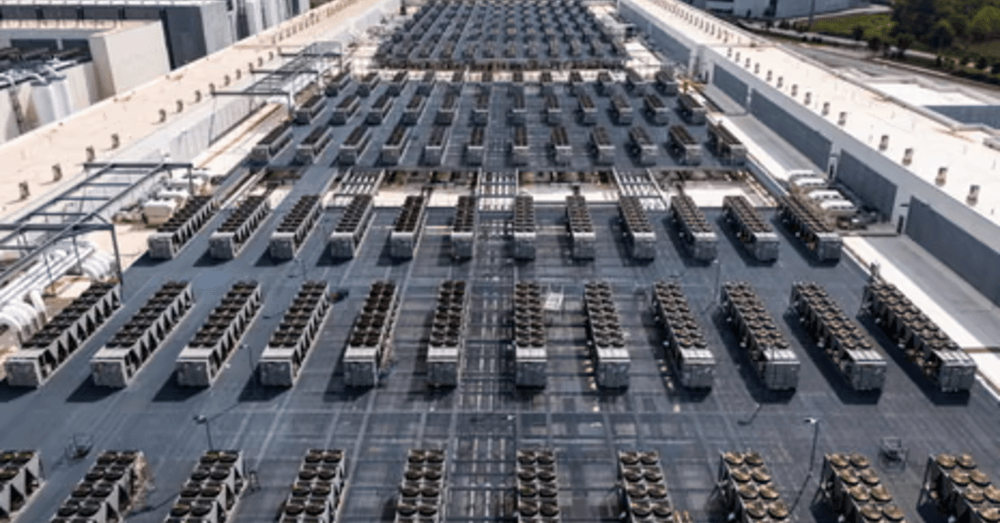

Across small towns, suburbs, and even rural farmland, residents are showing up to town halls in record numbers with one message for tech giants: build your servers somewhere else. What started as scattered grumbling has turned into an organized, bipartisan movement that’s already reshaping how and where Big Tech expands.
- In 2025, $156 billion worth of data center projects were blocked or delayed by local opposition, moratoriums, and litigation
- Only 35% of voters now say they’d be comfortable with a new data center in their community, down from 69% in 2023
- At least 142 activist groups across 24 states are organizing to block data center construction
The Numbers Behind the Pushback
The scale of resistance has caught the industry off guard. A Heatmap Pro review of public records shows that 25 data centers were scrubbed last year after local pushback, four times as many as 2024. One energy analyst put it bluntly, noting that all of 2025 saw 49 rejections or restrictions of data centers, but there have already been 79 in the first four months of 2026.
From Ohio cities like Columbus and Dayton to the deserts of Arizona, the same complaints keep coming up. Water use is the top reason cited in press accounts for local opposition to a proposed project, mentioned for more than 40% of contested projects. Energy consumption, higher utility bills, and noise round out the main concerns.
Thirsty Servers, Strained Grids
The resource appetite is staggering. According to the International Energy Agency, a typical AI data center uses as much electricity as 100,000 households, and large data centers can consume up to 5 million gallons of water per day. Two-thirds of U.S. data centers built or in development since 2022 sit in water-stressed areas.
In Georgia, the squeeze is already visible. In Newton County, a Meta data center that opened in 2018 uses 500,000 gallons of water per day, 10 percent of the entire county’s water consumption, and Newton County continues to field requests for new permits that could use up to 6 million gallons per day. Out West, the math gets even worse. In August 2025, the Tucson City Council unanimously rejected involvement with the Project Blue data center complex, originally linked to Amazon, citing the region’s water and electricity usage in an area that averages seven to 10 inches of rain per year.
The Jobs That Never Arrive
Developers love to dangle employment numbers, but the reality rarely matches the pitch. There may be jobs in data center construction, but there aren’t many permanent positions. A 2017 report from the US Chamber of Commerce found that, on average, a data center employs 1,688 workers during the construction phase, but once running, it only provides 157 permanent jobs.
University of Michigan researcher Ben Green called the jobs claim “a significant false promise of these data centers.” Meanwhile, residents watch their tax dollars subsidize the buildout. Three years ago, 61 percent of Virginia voters supported state tax breaks for companies building data centers. Only 37 percent say the same now, and about two-thirds want the state to end the sales tax incentive.
AI Fatigue Is Fueling the Fire
There’s a cultural undercurrent here too. The internet is drowning in AI-generated junk content, the kind of low-effort articles, fake images, and slop videos that have soured many people on the entire AI hype cycle. When residents see their drinking water and electricity bills being sacrificed to power chatbots that flood social media with garbage, the trade-off feels worse than insulting.
Layoffs aren’t helping the mood. The current backlash is driven by concerns over job losses, property values, water use, noise, and distrust of Big Tech, and the opposition spans political lines, reflecting a deep cultural rift. Conservatives worry about subsidies and grid strain. Progressives worry about emissions and corporate power. They’re meeting in the middle at the planning commission meeting.
Land, Noise, and the Question of Who Benefits
Beyond water and power, there’s the simple matter of what these buildings look and sound like. Where communities once rallied against factories, warehouses, or retail sprawl, they’re now opposing data centers, as noise, water usage, power demands, and property values have become major concerns. A typical hyperscale campus can stretch across hundreds of acres of farmland and run cooling fans 24/7.
Tech companies are starting to notice. Several companies, including Microsoft and OpenAI, made commitments in early 2026 to cover increases in consumer electricity prices tied to their data centers, and were joined by Google, Meta, Oracle, xAI, and Amazon in signing a ratepayer protection pledge. Whether those promises hold up in practice is the next big question.
What Comes Next for the Server Farm Fight
The momentum isn’t slowing. In December 2025, more than 230 state and local environmental groups joined together to send a letter to Congress demanding a national moratorium on the construction of new data centers, and Senator Bernie Sanders also called for a national moratorium. Maine came within a hair of passing the first statewide ban. Maryland’s Prince George’s County paused all new development to study impacts. Lawsuits keep piling up in Virginia.
The AI boom isn’t going away, but the days of quietly dropping a 200-acre server campus next to a neighborhood appear to be ending. Communities have figured out that the promised tax revenue and job numbers often don’t materialize, while the bills, noise, and water draws absolutely do. For now, the loudest voice in the room belongs to the people who actually live there.