
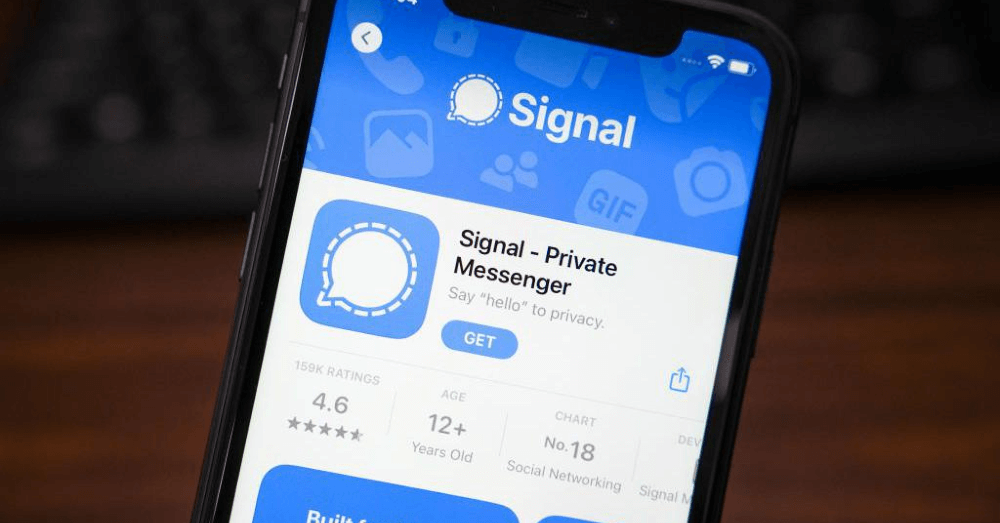

Signal is an encrypted messaging app used by many government agencies, but a new EU Chat Control proposal could cause the app to shutter operations in Europe.
The EU wants to scan every photo, video, and link you send in private messages before they get encrypted, and Signal is calling it exactly what it sounds like—malware on your phone. The app’s president says they’d rather shut down in Europe than build a backdoor into their encryption. This Chat Control proposal is back on the table, and it’s not just Signal that’s worried. Security experts, other governments, and privacy advocates are all saying this creates the kind of vulnerability that hackers dream about. We’ll break down what this law actually does, why it matters even if you’re not in Europe, and what happens if one of the most trusted encrypted messaging apps walks away from an entire continent.
Encrypted messages are part of the political game
Whether it’s actual politicians sending messages back and forth or government security agencies, encryption is an important part of ensuring the security of messages and keeping outsiders from seeing what agencies or personnel are discussing. The EU has proposed a private message scanning system that could be a backdoor into Signal encrypted messages, and leave this secured chat app open for hackers to enter the conversation and cause serious problems for governments around the world. Encrypted messages go back decades, and in some cases centuries, but the modern age has brought encrypted messaging apps to the forefront. Adding scanning and security protocols that allow every message to be reviewed before being sent could be a serious problem.
Adding malware weakens encryption, but is part of the EU Chat Control proposal
Creating a client-side scanning of every digital media that is sent could seriously infringe on digital privacy rights. Proposing this as part of the EU Chat Control proposal is why Signal says they are leaving Europe, but which side is wrong? On the one hand, encrypted messages are important for some agencies to function, but if anyone can use Signal, it will be open for criminals to share information. Regardless of its use, adding malware that scans everything before it’s sent could leave an open security gap between users, which could be exploited by cybercriminals, creating another problem for the app and its security systems.
Child sexual content versus encrypted messages
The Signal app is not only used by government agencies, but anyone who wants to use it to chat with others can do so, and that could be a huge part of the problem for the EU. The concern about child sexual abuse material being transmitted over Signal channels has brought the EU Chat Control proposal back to the table. It creates conversations about EU privacy legislation, which must be balanced with protecting children from being exploited online. This is a serious concern for the EU, but it’s also a problem for Signal and many users.
How secure is Signal?
Signal is not simply an encryption backdoor into a world that you would be aware of; it’s a messaging app that is made to allow only the sender and receiver to read messages. Currently, there are only 40-70 million monthly users, which makes it small compared to other messaging apps that are used. The end-to-end encryption (E2EE) allows messages to be securely sent between two or more people. Only those on the specific Signal thread can read the messages, and the app cannot even access messages sent across its channels, which makes it extremely encrypted and secure. This is why many government agencies and corporate leaders use Signal to send messages.
Security isn’t perfect, but the EU Chat Control proposal has issues too
The security of Signal chats is only as secure as that of the person using the app. The EU Chat Control proposal would create new challenges for the app and its users. This secure method of sending encrypted messages is appealing to cybersecurity experts and journalists, but some government agencies avoid using it because of the use of a mobile phone, which is only as secure as the owner of that phone allows it to be. If a person gains access to a phone with Signal open, or they learn your password, they can send messages using your phone. Still, Signal allows easy communication through encrypted methods, but that could change.
Instead of changing to meet the new EU Chat Control proposal, Signal will leave Europe if the proposal passes. This is a message that security and encryption are more important than creating backdoor methods through malware, not ignoring the underlying issue in Europe of child sexual content being shared over Signal chats.