
How Moltbook Fooled the Tech World With AI Theater

For a few wild days in early February 2026, a website called Moltbook became the…



CES 2026 wrapped up last week, and if you missed the show floor chaos in Las Vegas, you missed something special. Among the thousands of gadgets competing for attention, two categories stood out: TVs so thin they practically disappear and robot vacuums with actual legs that can climb stairs. LG’s ultra-thin OLED technology and Roborock’s stair-conquering Saros Rover had everyone circling back for another look at the demo stations.
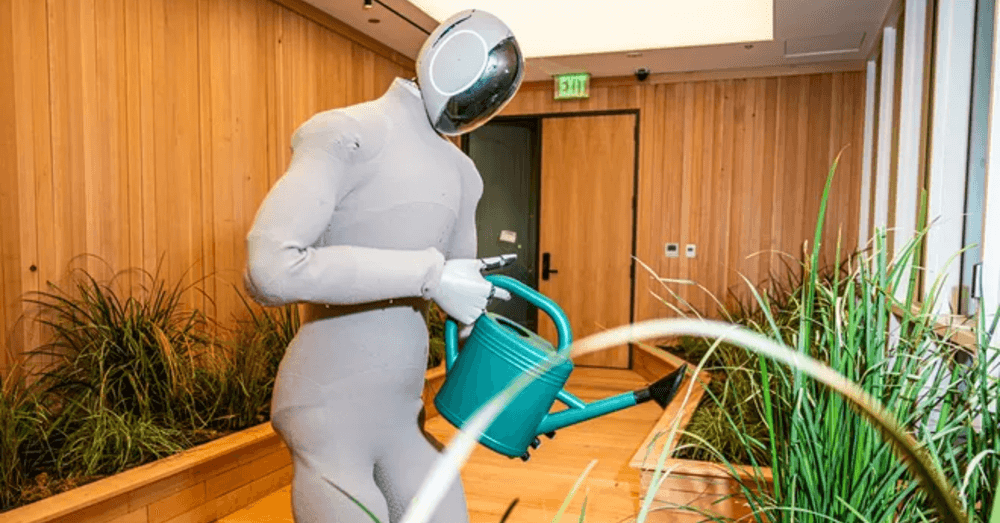
The NEO humanoid robot is designed to handle home chores, but it’s not ready to take on the challenges of chores on its own just yet.
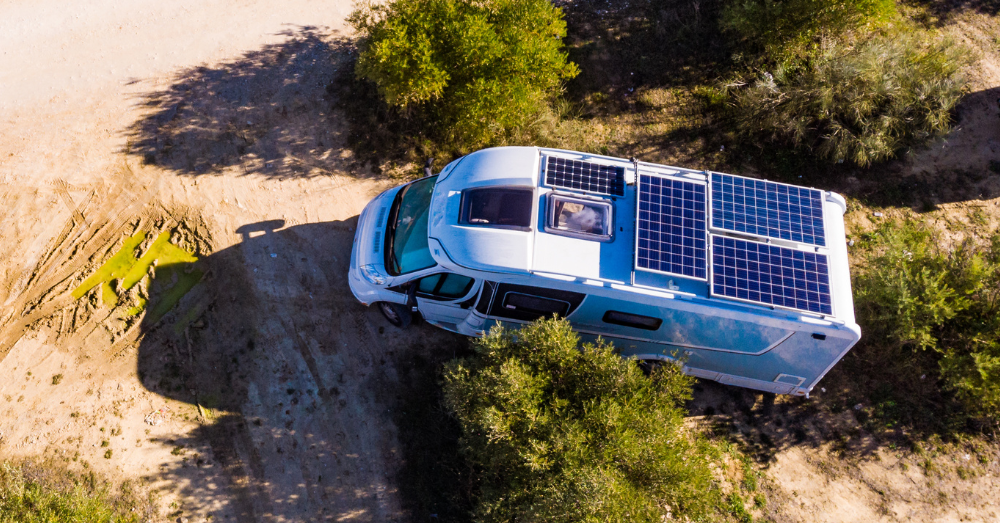
Remember when going off-grid meant choosing between comfort and freedom? Those days are over. Thanks to lighter batteries and smarter solar storage, you can power your life anywhere without the constant hum of a gas generator or the anxiety of a dying phone battery. Whether you’re living the van life or just want reliable backup power when the grid fails, cutting the cord has never been simpler.

Windows 10 support ending this month means you won’t have the security patches to keep your computer safe, but you can fix this problem.


The increased demand for AI technology and accuracy could require tech giants to become energy experts as well.
Powering an AI facility is becoming more costly and difficult because of the amount of data required to make calculations and accurate decisions. AI is being used for more aspects of our lives, professional and personal, than ever before. We’re coming closer to a world in which computers are relied upon to provide answers to every question and have all of the information necessary. Some people have even found that AI can replace human interaction in some ways, but that’s a discussion for another day.
Not every museum leans into wires, circuits, and code, but the ones that do often surprise people. Across the U.S., you’ll find a growing number of museums that dig into the tools, stories, and machines that quietly shaped how we live today. From small-town collections to hands-on learning labs, these tech museums show us where we’ve been and offer a glimpse of what’s coming next.

Toyota has launched one of its most ambitious experiments to date. Known as Woven City, the automaker’s robotic city is a prototype of mobility, smart infrastructure, and sustainability.

Cities are beginning to treat roads, crosswalks, and traffic patterns as living data sources. Most of us pass through intersections and roundabouts without a second thought. They’re part of the daily grind: pause, turn, go. Behind this typical traffic flow lies a quietly growing network of information. From roundabout cameras to street-level sensors, these systems are becoming smarter, and they’re reshaping how we plan for safety, efficiency, and sustainability.