
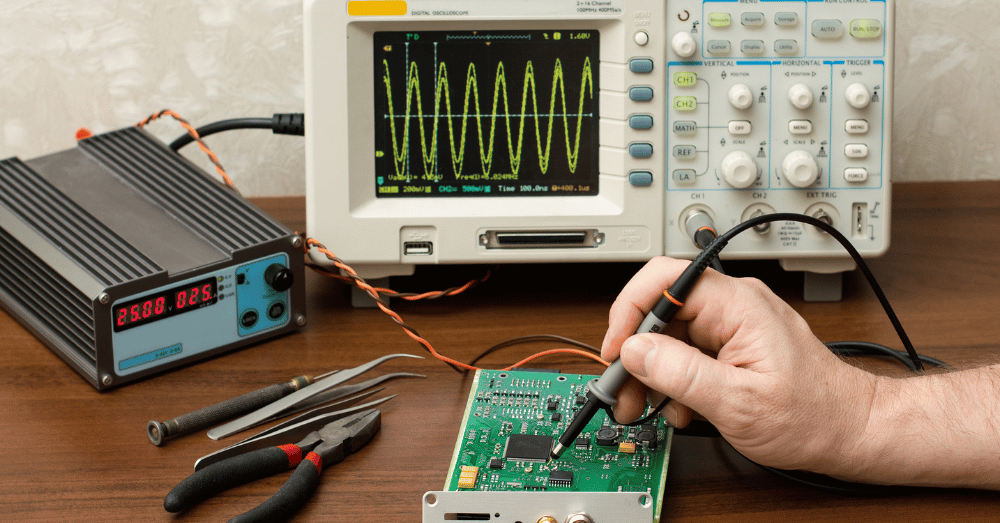

Building connected devices usually means spending months setting up a workspace before you can actually build anything. You need electronics benches, RF testing gear, 3D printers, soldering stations, oscilloscopes, spectrum analyzers, and other equipment that costs six figures but sits idle most of the time. Shared IoT labs flip that timeline completely. For around $1,000 a year, you walk into a lab that already has everything ready to go.
- The Indiana IoT Lab charges $1,000 annually for membership, which gets you prototyping equipment, testing tools, and the chance to work alongside other builders on real products.
- Members can prototype a circuit board in the morning, 3D print an enclosure after lunch, and test RF performance before dinner without owning any of the equipment.
- Companies like Pierce Aerospace have used shared lab spaces to develop products that landed Air Force funding and commercial contracts, all while keeping costs manageable during the early stages.
How Shared Lab Spaces Change the Math on Hardware Development
The 24,000-square-foot Indiana IoT Lab in Fishers, Indiana, opened in 2018 as one of the first public-private IoT labs in the country. Members can use 3D printers, laser cutters, CNC machines, a full woodshop, test and measurement tools, design software, and get training on all of it. There are dedicated office suites for companies wanting permanent space, plus coworking areas for solo developers and small teams.
The lab hosts over 130 members across 25+ companies working on everything from drone identification systems to vaccine cold chain solutions. What matters is the combination of hardware, expertise, and connections under one roof. You can move from concept to working prototype without leaving the building.
Members can work with carriers, cloud providers, and Indiana University researchers through established partnerships. That cuts out weeks of chasing down vendors and negotiating contracts. The facility sits in Fishers’ Tech Park at 9059 Technology Lane, designed around the four pieces every IoT project needs: ideation space, cloud infrastructure, edge hardware development, and testing capabilities.
Real Products From Real Members
Pierce Aerospace used the lab to develop Flight Portal ID, a digital license plate system for drones that identifies who’s flying and where they’re going. The company landed Air Force funding and got into Techstars. Their technology now integrates with eight different Department of Defense command and control systems. The Remote ID system works like a broadcast identifier, letting anyone nearby see basic information about drones in flight.
ChefsFridge Co. partnered with Rolls-Royce at the lab to build ArticRX, a vaccine transport system for remote areas. These companies didn’t need to buy their own gear or rent separate facilities. They showed up, built prototypes, ran pilots, and got products to market faster than going solo.
The membership model keeps costs manageable while you’re still figuring out product-market fit. You’re surrounded by other builders who’ve solved problems you’re about to hit. Someone in the next workspace might have already figured out how to get FCC approval for a similar device, or knows which contract manufacturer won’t ghost you after the first prototype run.
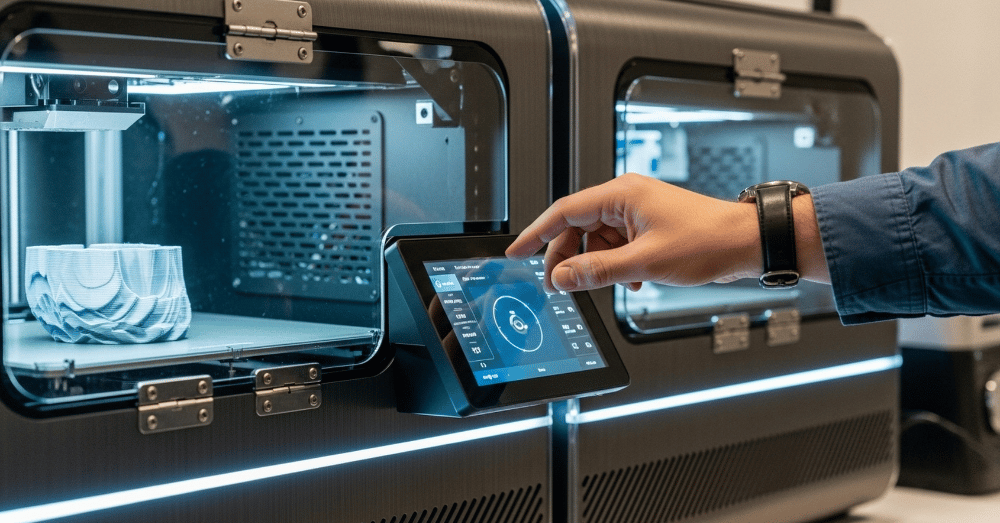
Why Equipment Ownership Doesn’t Make Sense Early On
A decent oscilloscope runs $5,000. A good 3D printer costs another $3,000. Add a laser cutter, CNC machine, proper soldering station, RF testing equipment, and enough hand tools to actually get work done, and you’re looking at $50,000 to $100,000 before you’ve built anything.
Most of that equipment sits unused. You might need the spectrum analyzer for three days during initial RF testing, then not touch it again for months. The CNC machine could gather dust between prototype iterations.
Shared labs solve this through pooled resources. The cost gets spread across dozens of members, and the equipment sees constant use. Someone’s always running a print job, testing a circuit, or cutting parts.
Join a Lab When You’re Ready to Build Instead of Shop
Time matters more than the money you save. Setting up your own workspace takes months of research, purchasing, installation, and learning. You spend more time shopping for equipment than actually building your product. Joining a lab means you start building on day one.
You also work alongside people who know how to use everything. Most members have battle-tested experience with the tools and can show you the tricks that aren’t in the manual. They know which settings work best for different materials, how to get clean cuts on tricky parts, and which suppliers actually deliver on time.
For startups and solo developers, the $1,000 annual membership makes financial sense until you’re in production. By that point, you know exactly which tools you actually need and can make informed purchases. You’ve learned what your workflow looks like and can set up an efficient workspace. The shared lab gets you from idea to pilot without the upfront capital and risk of building your own facility.