
Hempstead, NY

Google Says Quantum Computers Could Break Today’s Encryption by 2029

Google recently sent shockwaves through the tech and cybersecurity worlds with a startling announcement: the company is fast-tracking its migration to quantum-resistant encryption, setting 2029 as its internal deadline. That’s years ahead of what most governments and agencies have planned, and it raises serious questions about how safe our digital lives really are right now.

Samsung Galaxy S26 Photo Assist

Samsung’s Galaxy S26 Lets You Rewrite Your Photos With a Text Prompt

Samsung’s latest Galaxy S26 smartphone lineup brings a completely overhauled Photo Assist feature that lets you edit your images by typing plain-English descriptions. The tool can change backgrounds, restore missing elements, and shift a daytime scene to nighttime, all with a few tapped-out words. But for all its fun creative uses, the feature is raising real questions about where the line sits between photo editing and photo fabrication.

Deveillance Spectre I

The Viral Gadget That Promises to Silence Your Eavesdropping Devices

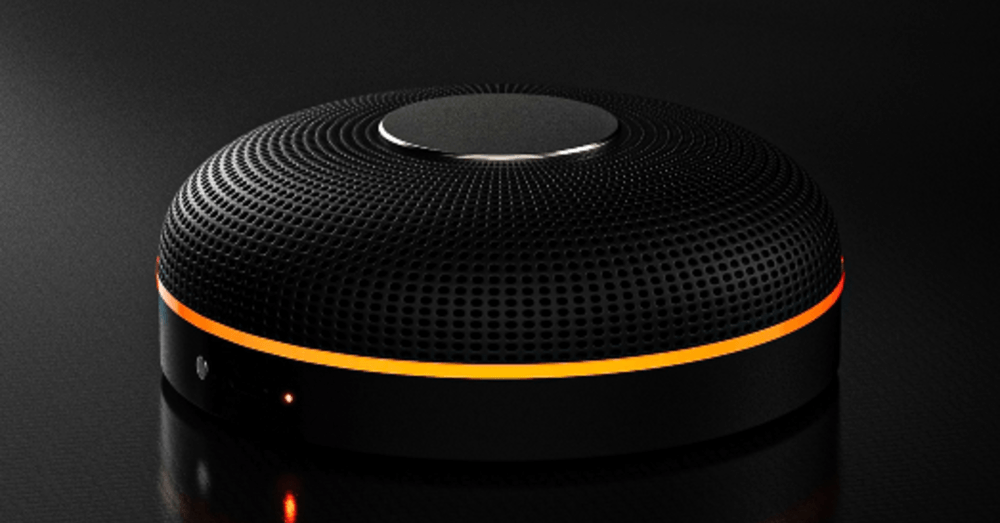
Have you ever mentioned a product in conversation and then seen an ad for it minutes later on your phone? You’re not imagining things, and you’re definitely not alone. A new pocket-sized gadget called Spectre I from a startup called Deveillance went viral recently with a bold pitch: it can stop your phone, your laptop, and your Alexa from recording what you say. The internet loved the idea. Security experts? They have questions.

OpenClaw security risks

Why Companies Are Racing to Ban OpenClaw From Their Networks

A viral open-source AI agent called OpenClaw has been making waves for its ability to automate everyday tasks with surprising autonomy. But its rapid rise has also triggered alarm bells at some of the biggest names in tech, with Meta and other companies now banning the tool from corporate devices over mounting cybersecurity fears. The situation puts a spotlight on a growing tension between the appeal of AI agents and the very real risks they carry.

AI voice phishing

Criminals Are Using Cloned Voices to Fool Government Officials and It’s Working

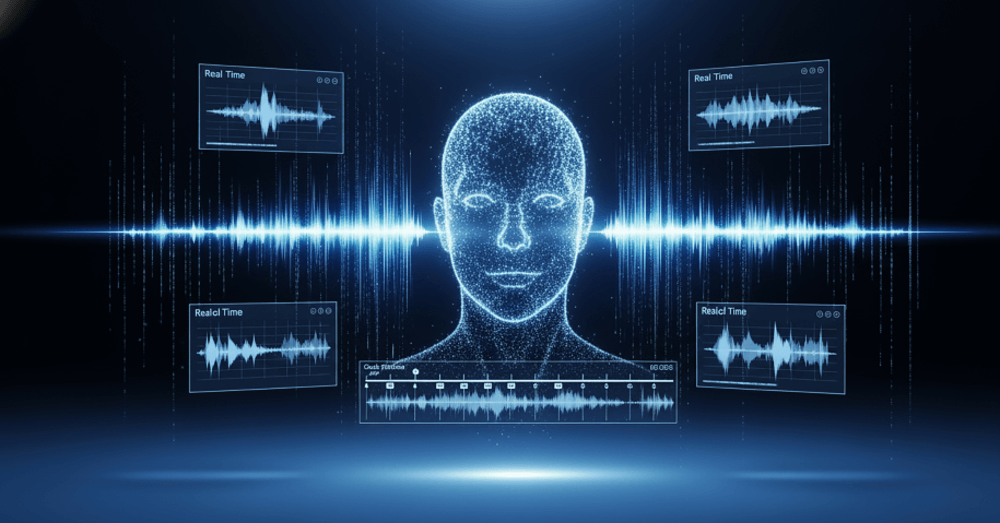
Your phone rings. The voice on the other end sounds exactly like someone you trust, maybe a senior government official or even your boss. But it’s not them. It’s a scammer using artificial intelligence to impersonate them with frightening accuracy. This isn’t science fiction. It’s happening right now, and the FBI wants you to know about it.

LEGO Smart Bricks Bring Sound and Motion to Your Builds - featured image

LEGO Smart Bricks Bring Sound and Motion to Your Builds

LEGO dropped a surprise at CES 2026 that caught everyone off guard. The Danish toy company just unveiled Smart Bricks, a tech upgrade that makes your LEGO builds light up and react to how you play with them. No screens required, no complicated setup, and yes, the bricks still snap together like they always have. This is LEGO’s biggest move into connected tech, and it’s arriving in stores March 1st with three Star Wars sets.

Driverless at 190+ MPH What Autonomous Racecars Reveal About Everyday Self-Driving Tech

Driverless at 190+ MPH: What Autonomous Racecars Reveal About Everyday Self-Driving Tech

Race tracks have become the perfect proving ground for self-driving technology. What happens when you push autonomous vehicles to their absolute limits at speeds most of us will never experience? The answer tells us a lot about the future of the cars we’ll drive on regular highways.

Why Paying $1,000 for Lab Access Beats Buying $100K in Equipment You'll Use Once - featured image

Why Paying $1,000 for Lab Access Beats Buying $100K in Equipment You’ll Use Once

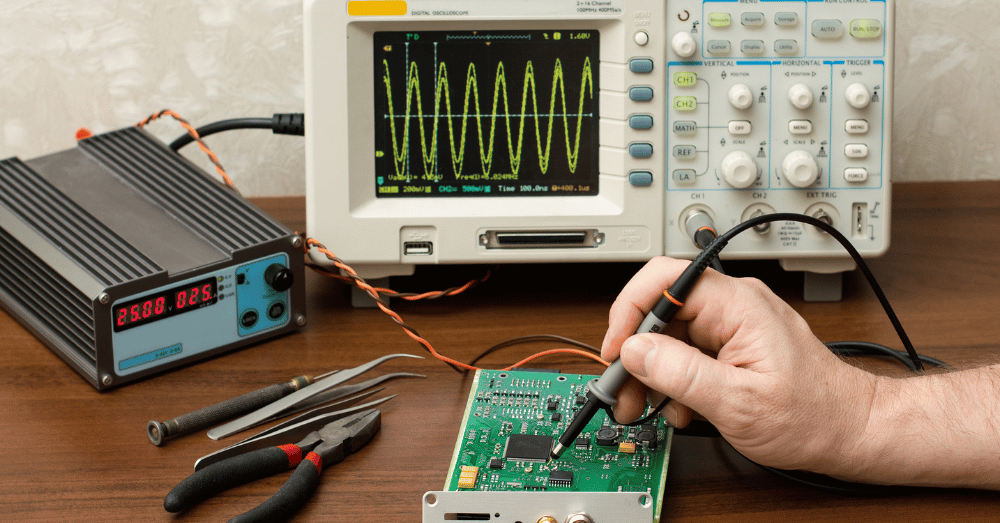
Building connected devices usually means spending months setting up a workspace before you can actually build anything. You need electronics benches, RF testing gear, 3D printers, soldering stations, oscilloscopes, spectrum analyzers, and other equipment that costs six figures but sits idle most of the time. Shared IoT labs flip that timeline completely. For around $1,000 a year, you walk into a lab that already has everything ready to go.

Why Mobile Apps Are the Future of Big-Ticket Buying

Why Mobile Apps Are the Future of Big-Ticket Buying

Pull out your phone and you can order dinner, book a flight, or schedule a doctor’s appointment. But what about buying a car or financing new furniture? Today’s shoppers want the same speed for these bigger purchases too. Mobile apps are changing how people spend thousands of dollars, and the shift is happening faster than you might think.